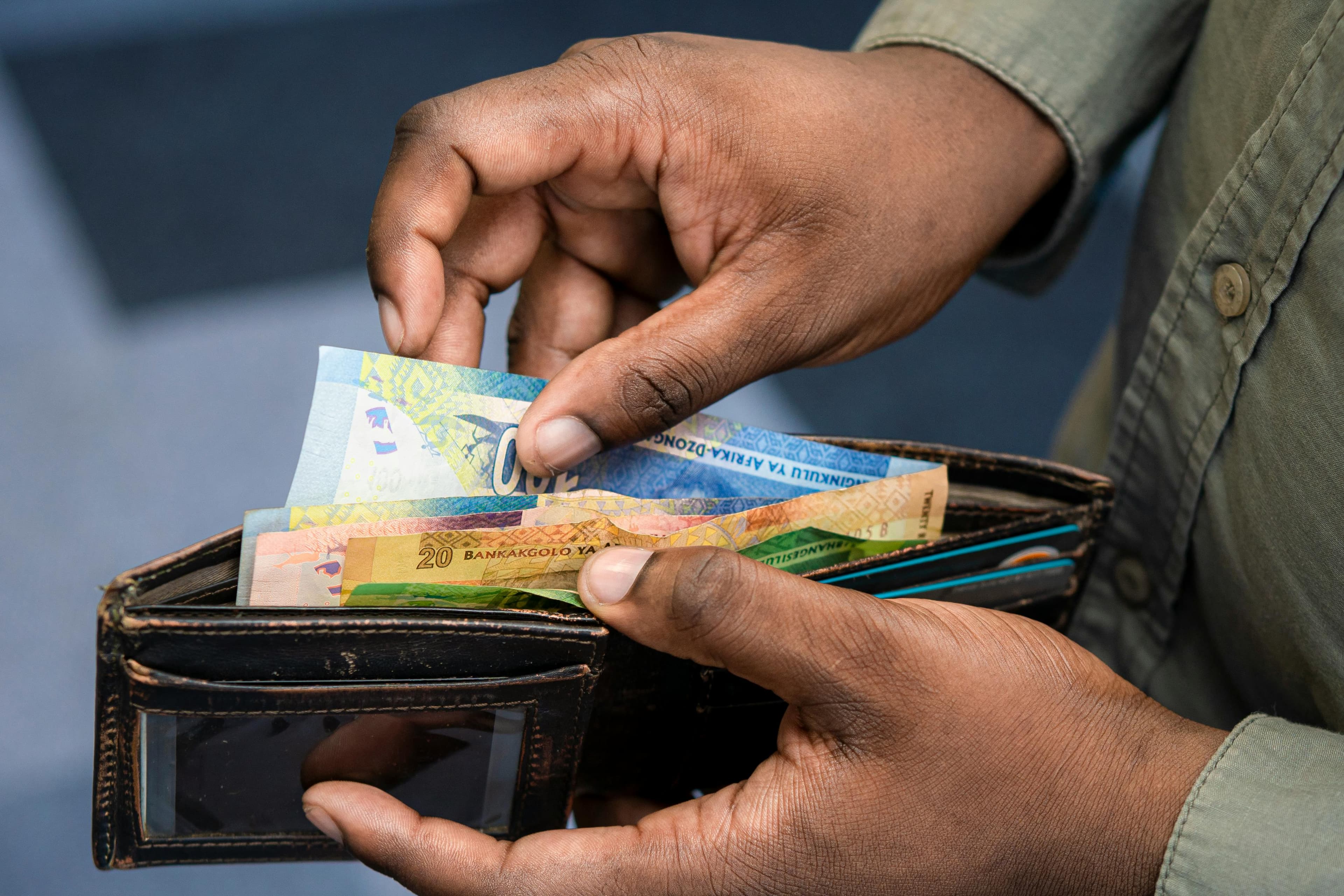
The weight of debt and the discipline needed to overcome it
Debt can feel overwhelming and isolating, but many stokvel members say collective saving and shared conversations about practical strategies, have helped them regain control, rebuild discipline, and plan with confidence.

Photo by RDNE Stock project: https://www.pexels.com/photo/woman-uses-calculator-7491011/
For many people, debt does not begin with one big decision. It builds slowly, through small pressures, unexpected expenses, and habits that feel manageable at the time.
A small loan from family. A mashonisa loan just for this month. Borrowing from one stokvel to pay another. A credit card swipe you promise yourself you’ll settle at month end.
Before long, the number of people you owe begins to grow, and keeping up with repayments becomes difficult. Even the sound of a ringing phone can bring anxiety. The treasurer might be calling. Or worse, the mashonisa or the bank.
Debt does not only affect your pocket. It affects your confidence and your health.
Advertisement
And yet, within stokvel communities, members are quietly proving something powerful: discipline, especially when supported by others, can change the direction of one’s finances.
For Dimakatso Molefe of Atamelang Stokvel in Motlatla, Thaba Nchu, managing credit card debt became easier once she began working with a structured budget supported by her stokvel.
“My stokvel encouraged me create a budget and stick to it. We shared tips and practical ways to get out of debt,” she says.
Debt can be managed. Reduced. Even defeated, with a plan.
How debt often begins
Members say debt rarely starts with intention. Instead, it grows from everyday decisions, borrowing for emergencies, living beyond one’s means, or simply not planning.
For Kediadimilwe Koloti of Atlehahang Bone Stokvel in Bloemfontein, impulse spending and high interest charges were among the biggest risks she had observed.
Over time, she says, her stokvel helped shift her priorities.
“My stokvel members taught me to prioritise needs over wants. That way, you eventually have extra money to afford things without debt,” she says.
Others point to borrowing without fully understanding repayment terms as a major contributor to long-term financial strain. As Barbara Kleinbooi of Life is Good Club in Stanger explains that it is easy to assume loans can be settled later, until interest makes repayment much harder than expected.
Finding a way back to financial control
For many stokvel members, turning points came during moments of pressure rather than comfort.
When Dimakatso lost her job, she had no choice but to reorganise her priorities. Support and guidance from her stokvel helped her focus on essential expenses and remain financially stable during a difficult period.
Similarly, Kediadimilwe recalls how a stokvel payout helped cover her child’s school fees at a critical time, an experience that strengthened her commitment to saving consistently.
Others regained control by restructuring how they approached repayment. In Avoca, Nompumelelo Ngcobo of IDubelimthende Stokvel found relief by settling smaller debts first while consolidating larger ones into a single manageable payment.
Step by step, these changes restored confidence and direction.
What Stokvel discipline teaches about money
Many members say the biggest lesson stokvels teach is not simply how to save, but how to stay consistent. Saving together creates accountability that is difficult to maintain alone.
For Barbara discipline began with changing the order of financial priorities, “My stokvel taught me to save first, then spend what’s left.”
Others point to the motivation that comes from working toward goals alongside fellow members. Seeing progress within the group encourages individuals to remain committed to their own plans.
“It’s harder to lose discipline when you’re part of a group. You see others reaching their goals and it encourages you to do better,” describes Dimakatso.
Practical advice for anyone feeling overwhelmed by debt
Members who have worked through debt challenges often describe recovery as something that begins with one clear decision: facing the situation honestly and making a plan.
For Nompumelelo progress started by breaking the problem into manageable steps. Rather than trying to solve everything at once, she focused on settling one debt at a time.
“Start by planning which debt to settle first. When one is finished, move to the next,” she shares
Others emphasise that a realistic budget makes that plan possible. Barbara says discipline begins with understanding what you can truly afford and sticking to it.
“Create a budget that works for you and stick to it. Don’t be afraid to ask for help,” adds Barbara.
The turning point for Dimakatso was simpler but just as powerful, deciding to confront the problem rather than avoid it. Face the debt head-on. Make a plan and stick to it. Don’t give up.
Why Stokvels make the difference
Managing money alone can feel overwhelming. Managing it together changes the experience.
Members say stokvel participation creates structure, motivation, and shared responsibility, three things that make long-term discipline easier to maintain.
It also creates something less visible but equally powerful, a support system. Being part of a stokvel means you are no longer facing financial pressure on your own, you are moving forward with others who are working toward stability alongside you.
And sometimes, that collective discipline is exactly what makes recovery possible.
Advertisement
Readers
15
Was this helpful?
Share this story
Each option includes this page's link. WhatsApp and "Copy story" add the title, topic, and brief.
Advertisement
Advertisement